

Key Takeaways
- Automated entry points reduce the administrative burden on HR and security teams.
- A fingerprint scanner door access system is significantly harder to bypass than traditional lock-and-key methods.
- A modern biometric system can sync with payroll and time-attendance software for seamless management.
- A card access system in Singapore businesses can grow from a single door to a multi-site network.
Introduction
As businesses grow and the workforce becomes more mobile, the need for a sophisticated, reliable way to manage who enters and exits premises has become an operational priority. Transitioning from manual logs to automated entry is a fundamental requirement for any organisation that values its data, its assets, and the safety of its employees. The right entrance technology acts as the first line of defence against unauthorised access. Choosing the ideal setup involves a calculated decision between convenience, cost, and the required level of security. While the traditional card access system in Singapore remains a staple for many due to its ease of use and low barrier to entry, there is a clear shift towards more personal, unshareable forms of identification.
Redundancy in Physical Security
While a high-resolution fingerprint scanner door access system is incredibly secure, a robust strategy often incorporates layers of redundancy. Many premium installations in offices combine biometric verification with an auxiliary card access system in Singapore that staff can use as a backup. This ensures that even if an individual has a temporary injury that prevents a fingerprint scan or if the biometric reader requires maintenance, the flow of work is never disrupted.
Modern security controllers act as a central hub for data. When a biometric system is integrated into a wider network, it provides a real-time audit trail that can be accessed from anywhere. By treating your door access as an integrated part of your IT infrastructure, you build a resilient environment where safety is a constant, measured metric rather than a hopeful assumption.
The Science of Unique Identification
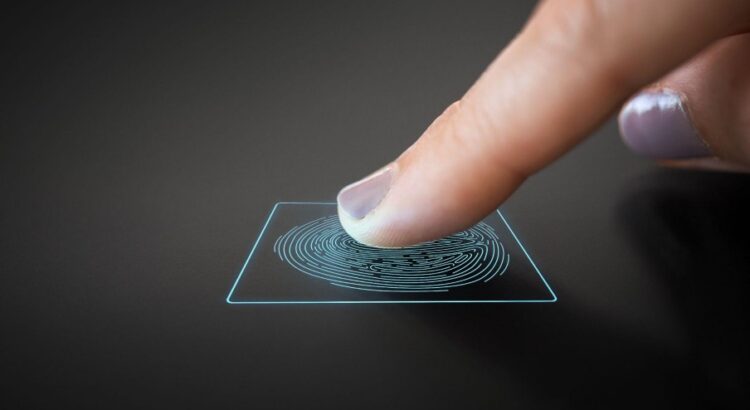
In a traditional card-based environment, a lost or stolen badge is a significant security vulnerability until it is manually deactivated. With a biometric system, the key is the user themselves. The technology behind modern scanners involves mapping the unique ridges and valleys of a human finger, often using optical or capacitive sensors that are designed to detect liveness, effectively preventing the use of high-quality replicas or photos.
The verification process is typically completed in less than a second, allowing for high-traffic entry points to remain fluid. For business owners, this also translates to significant cost savings over time; there are no physical cards to purchase, replace, or print. When you remove the physical token from the equation, you simplify the entire security workflow, allowing your team to focus on their actual work rather than the logistics of getting through the door.
Card Systems in the Digital Age
Despite the rise of biometrics, the card access system in Singapore continues to hold its ground due to its extreme versatility and lower initial capital expenditure. Modern card systems have evolved far beyond the simple magnetic strips of the past. Today’s smart cards use encrypted RFID (Radio Frequency Identification) or NFC (Near Field Communication) technology, making them much harder to clone. This granularity allows for a highly controlled environment without needing to install biometric readers on every single closet door.
Furthermore, card systems are often the perfect bridge for companies that offer a familiar user experience and can be easily handed to visitors or temporary contractors without the need to enrol their biometric data into a database. A card access system in Singapore is integrated with the lift lobby, ensuring that visitors can only travel to the floor they are registered for. This creates a cohesive security journey from the moment a person enters the building’s lobby to the moment they step into your private office. By choosing a system that supports both cards and biometrics, businesses can future-proof their investment, starting with the basics and adding higher levels of security as their needs evolve.
Conclusion
The transition to a professional door access solution is a testament to an organisation’s commitment to safety and operational excellence. Whether you opt for the unshakeable certainty of a fingerprint scanner door access system or the versatile efficiency of a card access system in Singapore, the key is to choose a solution that aligns with your specific risk profile and daily workflow. Ultimately, a biometric system is a tool for better business management. It provides the data needed for payroll accuracy, the security needed for compliance, and the peace of mind needed for a focused workforce. By staying proactive and informed, you are building a lasting foundation for a secure and productive future.
Ready to upgrade your office security? Contact iDLink Systems and discover the perfect access solution for your business today.