
Key Takeaways
- Usage habits should guide whether you choose a wearable or a laptop.
- Device compatibility affects long-term convenience and efficiency.
- Budget planning must reflect both immediate cost and sustained value.
Introduction
Choosing between a smartwatch in Malaysia and a MacBook can feel straightforward until daily routines start to shape what actually gets used. Many buyers focus on features or price, yet the real challenge comes from deciding how the device will fit into existing habits. A smartwatch in Malaysia offers quick access to notifications and health tracking, while a MacBook supports longer, more focused work sessions. Without a clear sense of priorities, it becomes easy to invest in a device that looks useful but remains underutilised. Understanding how each option supports everyday tasks helps ensure that the purchase delivers consistent value.
1. Daily Usage Patterns and Practical Needs
The first factor to consider involves how the device will be used throughout a typical day. A smartwatch supports short interactions, such as checking alerts, tracking steps, or managing simple reminders, without interrupting movement. A MacBook, on the other hand, enables structured work that requires attention, including writing, research, and multitasking. When daily routines revolve around extended productivity, a laptop becomes essential. When convenience and quick access matter more, a wearable offers a practical advantage that fits naturally into active schedules.
2. Compatibility with Existing Devices
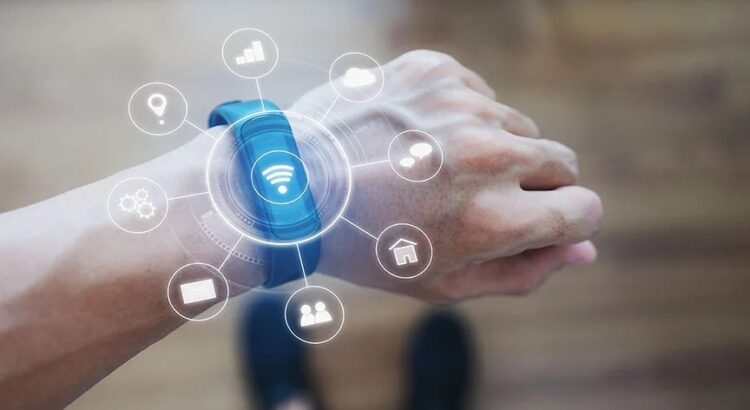
Technology rarely functions in isolation, which makes compatibility an important consideration. A smartwatch works best when paired with a smartphone, creating a connected experience where notifications and data sync automatically. A MacBook integrates into a wider system that supports file sharing, cloud access, and application continuity. When devices connect smoothly, tasks become easier to manage across different platforms. Evaluating how a new purchase interacts with existing tools prevents unnecessary friction and ensures that the device enhances rather than complicates daily use.
3. Budget Considerations and Long-Term Value
Cost plays a central role in any purchasing decision, yet it requires a broader perspective than the initial price tag. A smartwatch in Malaysia may seem more accessible, but its value depends on how often its features are used in daily routines. A MacBook involves a higher upfront investment, yet it can deliver long-term utility for work and productivity. Considering how frequently the device will be used and what tasks it will support helps determine whether the expense aligns with practical needs over time.
4. Portability and Ease of Use
Portability influences how often a device becomes part of everyday life. A smartwatch remains accessible at all times, allowing users to interact with essential functions without pausing their activities. A MacBook offers portability within a different context, requiring a stable surface and dedicated attention for use. The choice depends on whether convenience or capability takes priority. Devices that fit seamlessly into daily routines tend to see more consistent and meaningful use over time.
5. Software Capabilities and Feature Depth
The final factor involves understanding what each device can realistically handle. A smartwatch focuses on simplified functions that prioritise speed and efficiency, making it suitable for quick interactions. A MacBook supports more complex software that enables detailed work, from content creation to data management. Users who require advanced tools will benefit more from a laptop, while those who prefer streamlined access to essential functions may find a wearable sufficient. Aligning expectations with actual capabilities helps prevent dissatisfaction after purchase.
Conclusion
The decision between a smartwatch and a MacBook depends on how each device fits into daily routines and long-term needs. When buyers focus on practical use rather than surface features, the choice becomes clearer and more aligned with actual habits. A well-matched device continues to deliver value over time, while a mismatched one quickly becomes secondary to other tools.
Contact Harvey Norman Malaysia to find the right device that fits your daily needs and long-term tech goals.