

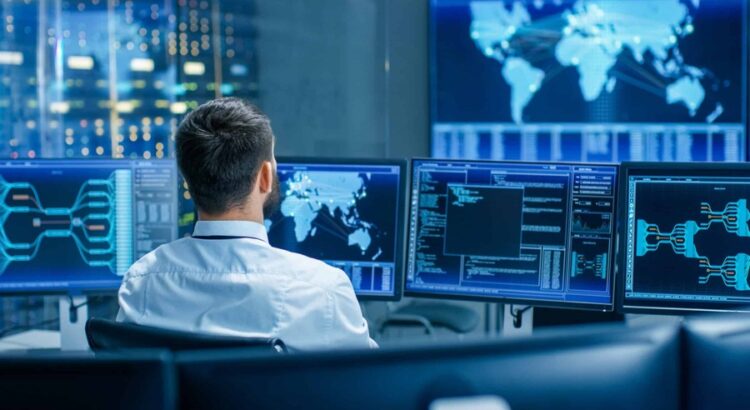
The modern aviation world relies on interconnected digital systems. These networks control everything from baggage to flights. But new digital connections bring massive safety risks. Cybercriminals now target these critical systems very frequently. The threat of ransomware grows larger every single day. A single attack can freeze whole transit hubs. Now the entire transportation sector faces real danger. Bad actors want to exploit every small vulnerability. Security teams must adapt to these changing threats. The future of travel depends on strong digital defenses.
The Vulnerability of Connected Flight Systems
Aviation infrastructure uses many smart computer networks. These systems manage complex flight schedules and ground operations. Nozomi Networks tracks these deep industrial digital threats. But hackers find weak points in old software. A sudden network breach causes immediate operational chaos. Now ground crews cannot access critical flight data. The massive disruption creates long delays for passengers. Sometimes a small virus shuts down multiple terminals. This digital weakness demands fast and smart solutions.
The Real Cost of Network Downtime
Ransomware attacks lock vital data behind encryption. Bad actors demand huge sums of money from victims. But paying the ransom never guarantees total recovery. Nozomi Networks helps organizations recover from digital lockouts. Financial losses pile up with every passing hour. Stranded passengers require food and urgent alternative flights. So the economic damage extends far beyond airlines. The entire global supply chain suffers from delays. Now transportation companies invest heavily in digital protection.
Protecting the Hubs of Modern Travel
Airports function like small and highly complex cities. They require constant communication between distinct internal departments. Maintaining strong airport cybersecurity is a massive daily challenge. Security teams must monitor every single connected device. Hackers always look for unsecured guest wireless networks. So constant vigilance remains the best defensive weapon. Now technical engineers isolate critical operational flight networks. This isolation prevents the spread of dangerous malware. Regular system updates keep the malicious hackers away.
The Role of Specialized Industrial Defense
Industrial control systems require very unique security tools. Standard office antivirus software cannot protect deep infrastructure. Nozomi Networks designs specific defenses for these environments. The specialized software detects unusual network behavior quickly. So engineers can stop an attack before damage occurs. Early detection saves millions of dollars in recovery. Now global transit hubs deploy these advanced tools. The smart technology maps out every network connection. This clear visibility helps defenders protect the skies.
Collaborative Actions for Global Security
International transport requires deep cooperation between nations. Cyber threats do not respect regular geographic borders. A breach in one country affects global flights. So governments now share vital threat intelligence data. Security teams learn about new malware strains rapidly. This shared knowledge strengthens global transportation defenses significantly. Now private companies work closely with federal agencies. Together they build a safer digital travel environment. Continuous collaboration remains essential for long term success.